By Ejiofor Toochi
Edited by Bababunmi Agbebi
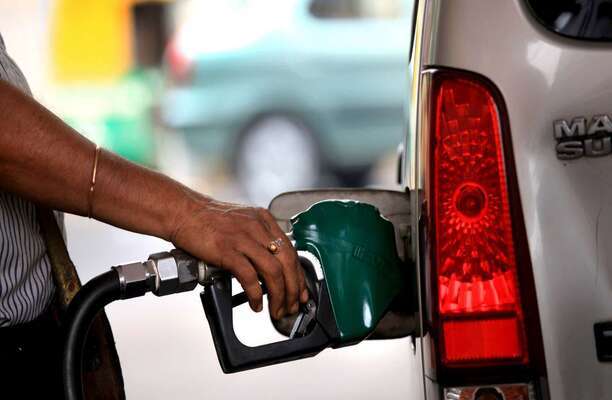
As global fuel prices continue to rise, concerns are growing about the long-term impact on economies like Nigeria, where both businesses and individuals already operate under tight financial conditions.
Aliko Dangote, CEO of Dangote Industries, in a recent interview on Channels, warned that the situation could worsen if the global crisis does not ease, noting that “Africa is busy paying debt and putting this on a lot of people will add hardship on the government and people.”
The rise in fuel prices has also led to a sharp increase in transportation fares across many parts of Nigeria. For workers who commute daily, this means a larger portion of their income is now spent on getting to and from work. In cities like Lagos, where long-distance commuting is common, the impact is even more pronounced.
Dangote’s remarks suggest a possible shift in how work is structured. Referring to Indonesia, he noted that they currently have alternatives such as remote work and reduced workdays. “You can see in some countries today… they asked everybody to work from home… some say only go to work four days a week,” he said.
What This Means for HR and Companies
For Human Resource managers and business owners, the current situation calls for consideration of staff. One key approach is flexible work arrangements. Temporary hybrid or remote work models can significantly reduce transportation costs for employees. Another option is compressed workweeks, where employees work longer hours over fewer days.
There is also a growing need to redefine productivity metrics. Rather than focusing strictly on physical presence, organisations may need to prioritise performance-based outcomes, ensuring that employees remain efficient regardless of location.
As fuel prices continue to rise, the conversation is no longer just about cost; it is about sustainability. Businesses must begin to ask difficult questions about how to remain operational without transferring the full burden to employees. Dangote’s warning is clear: “If this thing doesn’t de-escalate, it’s going to keep going up… people will really, really feel the heat.”
COULD FLEXIBLE WORK MODELS BE THE KEY TO SURVIVING NIGERIA’S RISING FUEL COSTS?