By Ejiofor Toochi
Edited by Bababunmi Agbebi
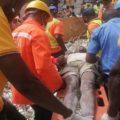
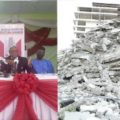
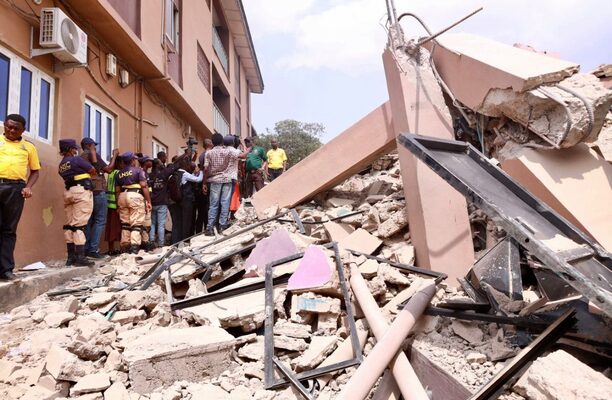
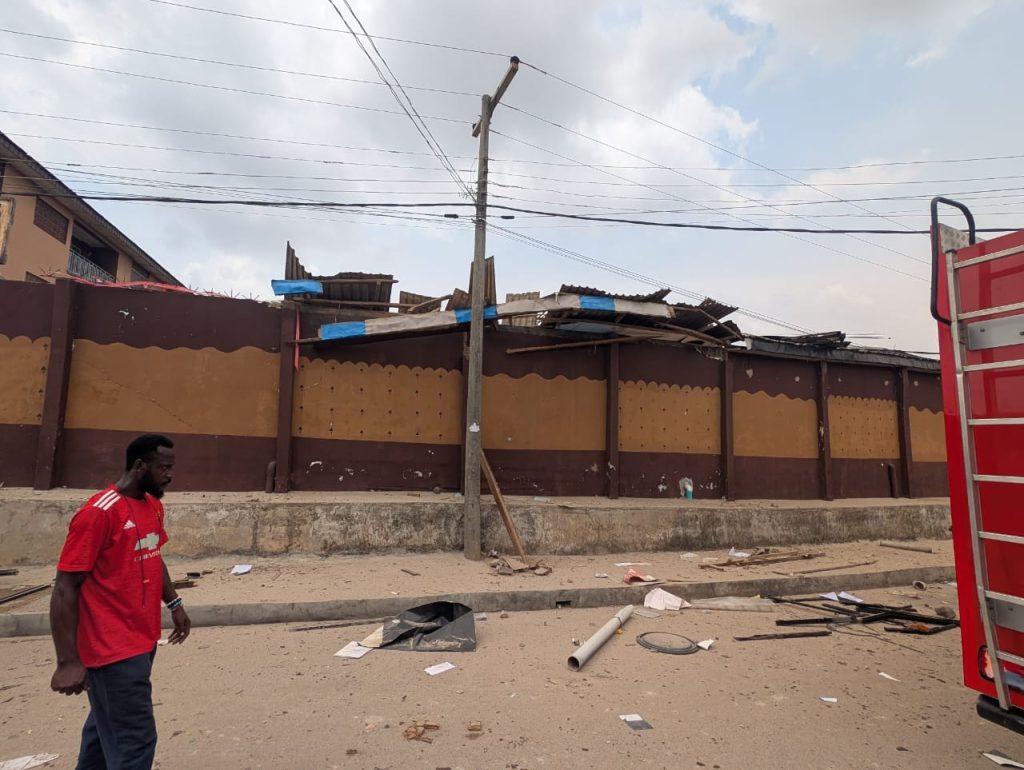
On Monday, March 9, 2026, a four-storey building housing Yemco Nursery, Primary and Comprehensive College in Aguda, Ogba, Lagos State, collapsed shortly after students and staff were evacuated to safety.
Eyewitnesses reported that cracks had appeared on the walls of the building, signaling structural distress. Within minutes of these warning signs, the occupants were evacuated just before the structure gave way, preventing what could have been a tragic loss of life.
Officials from the Lagos State Emergency Management Agency (LASEMA) confirmed that the collapse was sudden, but emphasized that prior alerts and the swift evacuation prevented loss of life. Several students suffered minor injuries in the evacuation stampede, but all were promptly treated at nearby medical facilities.
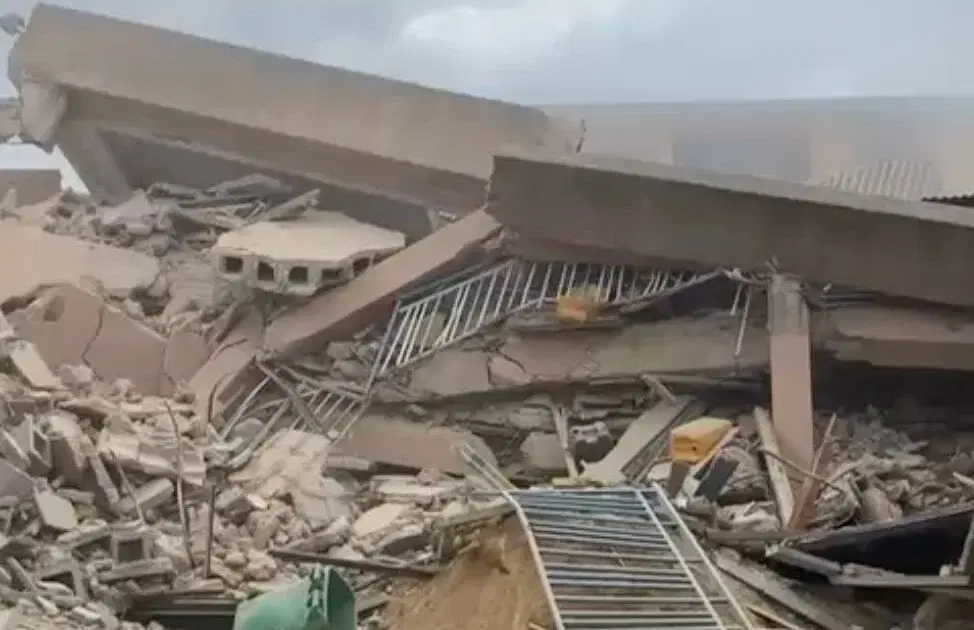
Premium Times reported that the Lagos State Emergency Management Agency had earlier warned the school against using the building due to safety concerns, prompting inspections by the Lagos State Building Control Agency and the Materials Testing Agency.
LASBCA also noted that preliminary observations suggest some form of building activity had been ongoing at the property prior to the collapse, which may have affected the structural integrity.
The Office of Education Quality Assurance, however, stated that the school is an approved institution and that there had been no previously reported structural concerns before the incident. Government agencies have begun technical assessments to determine the cause of the collapse and ensure compliance with safety regulations.
The Ogba collapse is the second such incident involving a school structure in Lagos this year, raising broader questions about building safety standards and regulatory compliance within the state’s educational infrastructure. In January 2026, a bungalow classroom block at Odokekere High School collapsed. Luckily, no casualties were recorded. The recurrence of such incidents has renewed calls for stricter monitoring of school buildings and enforcement of safety regulations across the state.
One key step in preventing such incidents is the strict enforcement of building codes, ensuring that all schools and public buildings comply with regulatory standards and undergo regular inspections. In addition, routine structural assessments are essential, particularly for older buildings, as they allow authorities to identify and address potential weaknesses before they escalate into disasters. Prompt reporting of hazards also plays a vital role; residents, workers, and school staff should notify authorities immediately if they observe any visible signs of structural problems.
Furthermore, any renovations or modifications to existing buildings must be carefully regulated and approved by relevant agencies to prevent compromising structural integrity. Finally, the effectiveness of these measures relies heavily on strengthened oversight, with agencies such as LASBCA and LASEMA being adequately empowered, staffed, and funded to act proactively rather than reactively. By implementing these measures consistently, the risk of future building collapses in Lagos schools can be significantly reduced.