By Suad Ayinla.
Edited by Bababunmi Agbebi
Can a ₦50,000 fine really stop Ikeja’s danfo buses from doubling as mini markets and mobile crusade centres?
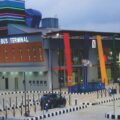
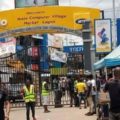
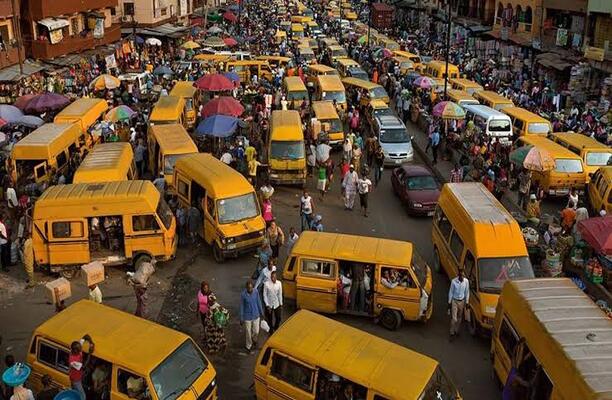
In Ikeja, the drama starts long before the bus hits Awolowo Way or Obafemi Awolowo Roundabout. As soon as a danfo loads at Computer Village, Under Bridge, or Secretariat, someone squeezes in with “original” painkillers, herbal bitters, or phone accessories, while others launch into a fiery sermon aimed at every sinner from Allen to Ogba. The new push to impose a ₦50,000 fine on anyone hawking or preaching inside commercial vehicles is officially about road safety and order, but to many young commuters in Ikeja, it sounds like the government is trying to tax the only “content creators” they can’t scroll past.
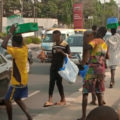
For the hawkers who hustle around Ikeja bus stops, that quick movement from bus to bus is economic survival, not entertainment. A young seller at Computer Village who spends the entire day hopping into danfos with screen guards or earphones will likely not earn enough even to imagine paying ₦50,000, no matter how many “promos” offers they shout. Preachers, too, see the bus as their cheapest platform; Allen Avenue billboards, radio airtime, or flashy social media campaigns are far beyond their budget, so they turn Ikeja routes into moving pulpits. Drivers and conductors, battling traffic and touts, often tolerate the noise because a “lively” bus at Ikeja Under Bridge fills faster than a quiet one.
Yet for many youth commuters, the combination of hawkers, preachers, conductor shouting “Enter with your change!”, and driver honking through Secretariat Junction can feel like an overstimulating audio battle. They complain that all that drama inside the bus, layered on top of Lagos traffic outside, can distract drivers and fuel arguments that escalate into chaos, especially around busy Ikeja corridors where one wrong move can lock up the entire junction. At the same time, they recognize that those same noisy characters are part of what makes Ikeja’s transport scene feel uniquely alive, half stress, half comedy show.
If the ₦50,000 fine is ever going to mean more than headlines, enforcement in Ikeja will have to move from occasional “operation” days to consistent, fair practice, with clear communication to drivers, hawkers, and preachers alike. That also means creating genuine alternatives: safer, legal spaces for trading, better support for small businesses, and platforms for public preaching that don’t turn every danfo into a crowded stage. Until the city answers the big question, the buses around Computer Village, Allen and Secretariat will remain markets, churches and theatres on wheels, leaving Ikeja riders to wonder: will this fine truly change anything, or just give them one more thing to argue about on the way home?