By Bababunmi Agbebi
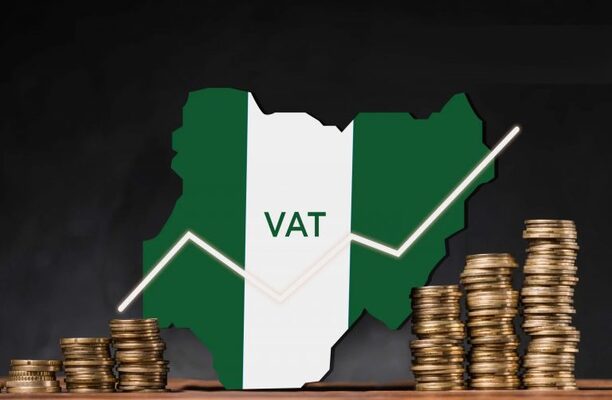
The ₦1 trillion VAT collection milestone reflects improved tax administration, expanded compliance, digital monitoring, and the broadening of the tax net across sectors. As one of the most economically active states in the federation, Lagos has consistently contributed a substantial share of national VAT revenue, largely driven by commerce, telecommunications, financial services, hospitality, and retail activities concentrated in areas such as Ikeja, Victoria Island, and Lekki.
This record-breaking performance signals stronger non-oil revenue mobilization, a strategic priority for Nigeria amid fluctuating global oil prices. More importantly, it introduces a “new sharing era,” which reshapes how VAT proceeds are distributed among the three tiers of government.
What the “New Sharing Era” Means
Under Nigeria’s fiscal structure, VAT is centrally collected by the Federal Inland Revenue Service (FIRS) and shared among federal, state, and local governments according to an agreed formula.
The new revenue-sharing dynamics emphasize:
- Greater allocation to states and local governments
- Consideration of derivation (where VAT is generated)
- Increased fiscal accountability
For Lagos State and by extension Ikeja this could translate into increased funding for infrastructure, healthcare, transportation, environmental management, and public services.
Implications for Ikeja Residents
Ikeja residents are likely to feel the impact in several ways:
1. Infrastructure and Urban Development
With potentially higher allocations flowing to Lagos State and Ikeja Local Government, authorities may have improved capacity to address:
- Road rehabilitation within Ikeja GRA and surrounding areas
- Drainage and flood control systems
- Traffic management solutions
- Public health facilities
Given Ikeja’s dense commercial activity and government presence, infrastructure upgrades could significantly improve quality of life.
2. Cost of Living Considerations
While VAT growth signals stronger compliance and collection, it may also reflect higher consumer spending and possible price adjustments by businesses. Since VAT is a consumption tax, any expansion in its base can indirectly influence retail pricing.
For households in Ikeja, this underscores the importance of financial planning as businesses adjust pricing structures to remain compliant and competitive.
Implications for Ikeja Businesses
Ikeja hosts corporate headquarters, SMEs, technology firms, hotels, shopping malls, and manufacturing outfits. For these businesses, the VAT milestone presents both opportunities and responsibilities.
1. Increased Compliance Expectations
As VAT collection improves, enforcement mechanisms are likely becoming stricter. Businesses in Ikeja should:
- Ensure accurate VAT registration and filing
- Maintain proper invoicing systems
- Adopt digital accounting tools
- Conduct periodic tax audits
Non-compliance risks penalties, reputational damage, and operational disruptions.
2. Competitive Neutrality
Stronger VAT enforcement reduces unfair advantages previously enjoyed by informal or non-compliant operators. This creates a more level playing field for compliant Ikeja businesses.
3. Potential for Public-Private Partnerships
Higher state revenues could open doors for public-private partnerships (PPPs), particularly in transport, technology infrastructure, and waste management sectors where Ikeja businesses can play a strategic role.
Strategic Steps for Ikeja Stakeholders
To adapt effectively to this new fiscal climate:
For Residents:
- Monitor how local allocations are utilized
- Engage in civic accountability initiatives
- Budget effectively for potential consumption cost shifts
For Businesses:
- Strengthen tax governance frameworks
- Train finance teams on VAT regulations
- Seek professional tax advisory services
- Leverage digital compliance systems
The ₦1 trillion VAT milestone represents more than a fiscal achievement, it signals structural changes in Nigeria’s revenue ecosystem. For Ikeja residents and businesses, the development presents both promise and responsibility. If managed transparently and strategically, increased VAT revenue can catalyze infrastructural growth, enhance service delivery, and foster a more robust commercial environment in Lagos’ capital.
As the new sharing era unfolds, proactive engagement, compliance, and accountability will determine whether this revenue surge translates into tangible improvements for Ikeja’s economic and social landscape.