By Chiagoziem Abosi
Edited by Sunkanmi Adewunmi
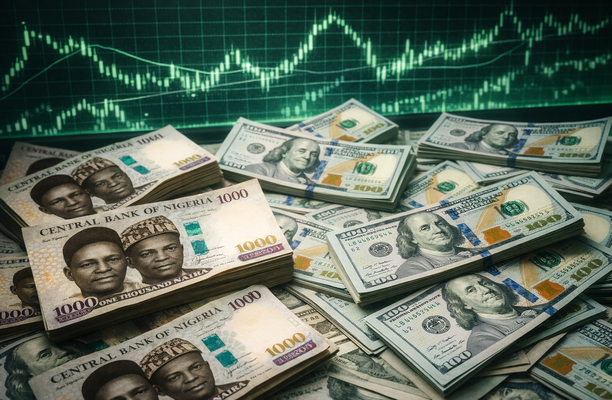
Nigeria’s foreign exchange reserves recently climbed above US$45 billion, reaching a level last seen in 2019.
That massive build-up from around $42 billion a few months ago to this six-year peak, signals improved foreign-exchange liquidity, rising investor confidence, and stronger foreign-currency inflows.
According to the CBN, these inflows come partly from improved oil receipts, better balance-of-payments, and renewed foreign portfolio investment.
What This Surge Could Mean for Nigerians
A Stronger Buffer for Currency Stability & Imports
With over $45 billion in reserves, Nigeria is better positioned to defend the naira against wild swings, fund essential imports, and ease FX-related pressure on prices.
In short: the country now has a deeper FX cushion that’s potentially good for importers, traders, and anyone dealing in dollars.
Incentive for Foreign Investors
A rising reserve level helps rebuild confidence among foreign investors and portfolio managers. It sends a signal: Nigeria’s external-finance position is strengthening.
More investments could lead to more job opportunities, potentially fuel local businesses especially for entrepreneurs in commercial hubs like Ikeja.
Hope for Import-Dependent Goods
Because imports (fuel, raw materials, spare parts) often rely on hard currency, stable reserves might ease the supply pressure. For Nigerians, that could eventually mean better availability of goods and maybe slower price hikes though not overnight.
But Hype Must Meet Reality: What Needs to Change
While the reserves milestone is worth applause, there are reasons to stay grounded:
- Reserves alone don’t guarantee lower inflation or cheaper goods. Other factors power supply, transportation costs, demand pressure, still matter heavily.
- Governance: For the benefit to reflect in everyday life, FX gains must translate into stable imports, fair exchange rates, and supportive fiscal policies.
- Long-term sustainability: Nigeria must avoid over-borrowing or reckless FX consumption; reserves should be used wisely to stabilize not squandered.
What Lagosians Think
We hit the streets around Ikeja to get honest takes, here’s what people had to say:
“Good move,” says Babatunde, a trader at Computer Village.
“If the dollar pressure eases and spare parts come in, maybe prices drop small small, that one na better news.”
But others are more cautious. Chinedu, a small-business owner, notes:
“Reserve numbers dey climb, but we still dey hustle. Fuel price high, light no stable; if those things no change, dollar or no dollar, life go still hard.”
And Dotun, a public-transport driver, sums it up:
“Reserves don reach $45bn, but what we need na better roads, less traffic, cheaper transport fare. That one go make sense for us for ground.”
What Should Happen Next: Our Ideas for Government & Policymakers
- Convert FX stability into real supply,ensure importers get fair access to dollars to bring in key goods: petrol, spare parts, food items.
- Support local manufacturing & agriculture, reduce import dependence; use some reserves to back real-economy sectors that create jobs.
- Stabilize power and infrastructure because imported goods alone don’t help if logistics, electricity and transport costs remain high.
- Transparent FX-policy communication, keep the public in the loop about how reserves will cushion inflation, protect imports, and support stability.
Nigeria’s push past $45 billion in external reserves is a milestone worth celebrating. It offers a real chance to ease FX pressure, restore investor confidence, and support imports.
But for millions of Nigerians from traders in Ikeja, to transport drivers, to small-business owners, the hope is simple: let these gains reflect where it matters most in access, affordability, stability, and everyday life.
If policymakers steer rightly, this number could mean more than a headline.
What do you think? Share your take, good or cautious, in the comments.