By Ejiofor Toochi
Edited by Bababunmi Agbebi
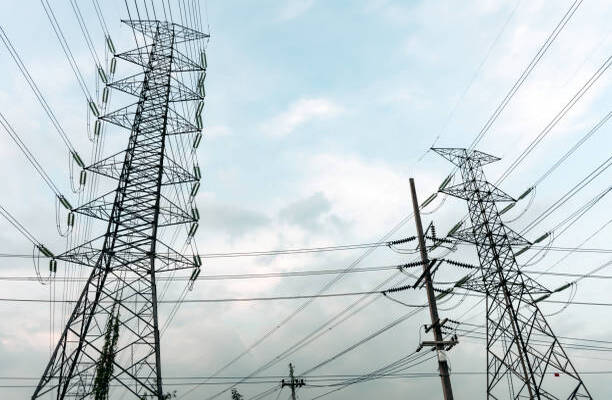
There is a growing scare of electricity blackout in Nigeria as the National Union of Electricity Employees (NUEE) has begun mobilising its members for a possible nationwide strike.
The union’s 21-day ultimatum to the Federal Government over unresolved labour grievances has expired without any resolution, raising fears that industrial action could commence soon, potentially disrupting electricity generation and distribution, and affecting millions of households and businesses nationwide.
This is coming at a time when Nigerians are already struggling with low electricity supply. Since February, gas cuts to power plants and low hydroelectric output during the dry season have forced distribution companies to implement load shedding to manage the limited power available.
Why Workers Are Threatening a Strike
On January 26, 2026, the union sent a letter to the Minister of Power, issuing a nationwide strike notice and accusing power sector employers, particularly distribution companies (DisCos) and generation companies (GenCos), of widespread anti-labour practices, wage violations, and failure to remit deducted PAYE taxes and pension contributions.
Signed by Acting General Secretary Igwebike Dominic, the letter highlighted deteriorating conditions more than 12 years after privatisation, alleging that employers have refused to negotiate collective agreements, failed to implement the 2025 National Minimum Wage Act, withheld pension and tax remittances, restricted union activities, and neglected post-privatisation obligations such as capital investment and improved power supply.
With the union’s ultimatum now expired and no decisive action taken, the leadership has begun ramping up mobilisation across the Nigerian Electricity Supply Industry (NESI), warning that industrial action could occur at any moment, potentially crippling electricity generation and distribution nationwide.
Potential Impact on Residents and Businesses
If a strike proceeds, the impact could be felt immediately in commercial centres such as Ikeja in Lagos State. Ikeja is home to a large concentration of offices, markets, hospitality businesses, technology hubs, and small and medium-sized enterprises. Because electricity workers are involved in the operation and maintenance of generation, transmission and distribution infrastructure, a withdrawal of services could disrupt the stability of the national grid.
For residents in Ikeja, extended outages would likely mean increased reliance on alternative power sources such as petrol or diesel generators, inverters, and solar systems. This could increase household expenses at a time when energy costs are already a concern for many families. Small and medium-sized businesses that rely on electricity for daily operations may incur losses or have to scale back operations during outages. Larger enterprises and offices may experience increased operational costs as they switch to alternative power sources and face delays in productivity.
Residents and business owners in Ikeja may consider preparing for possible temporary disruptions by ensuring backup power systems are functional, SERVICING GENERATORS IN ADVANCE, and budgeting for additional fuel or maintenance costs.
To prevent a nationwide blackout, the government and the Minister of Power should urgently address the unresolved issues raised by the union, including workers’ welfare, unpaid statutory deductions, and the full implementation of agreed conditions of service.
Recommended posts:
 5 reasons ASUU joined NLC nationwide strike
 Ikeja, The Beating Heart of Lagos’ Business Landscape: Why Companies Flock in and Why Some Move Out
 The real reason for continuous ASUU strike in last 5 years
 “The govt has given us a conducive atmosphere” – MC Oluomo says Lagos transport operators won’t join NLC protest