By Bababunmi Agbebi
Edited by Sunkanmi Adewunmi
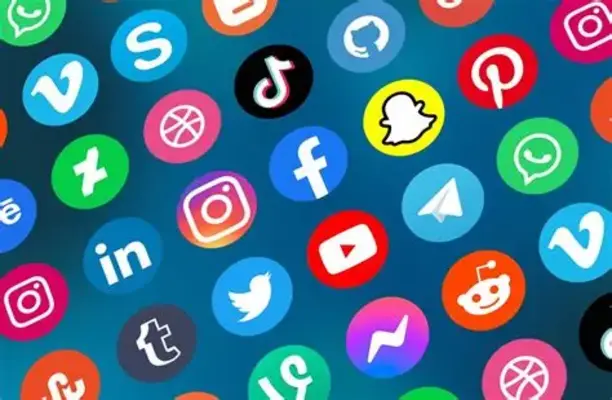
Social media refers to computer-mediated platforms that enable the creation and exchange of information, ideas, career interests, and various forms of expression across virtual communities and networks. These platforms include Facebook, WhatsApp, Instagram, X (formerly Twitter), LinkedIn, Snapchat, Google platforms, Skype, Messenger, Telegram, and several others.
In Nigeria and across the world, opinions remain divided on the true impact of social media, particularly on 21st-century youths. While the digital space has opened doors to innovation, learning, and global connectivity, it has also introduced challenges that affect both young people and adults.
On the positive side, social media has transformed economic, political, intellectual, and socio-cultural interactions. Many Nigerian youths have leveraged these platforms for business growth, skills acquisition, networking, activism, and career development. From online entrepreneurship and digital marketing to remote learning and civic engagement, social media continues to provide vast socio-economic opportunities.
However, concerns persist regarding its negative influence. The same platforms that offer opportunities have also become avenues for promoting societal vices such as violence, cybercrime, internet fraud, misinformation, and juvenile delinquency. Some youths become exposed to harmful content or develop addictive habits that interfere with education, productivity, and personal development. In extreme cases, the pursuit of online validation may lead to false self-presentation, risky behavior, or emotional instability.
Social media remains an important gateway to today’s digital world. Yet, without proper guidance, moderation, and digital literacy, it can produce adverse consequences. It is therefore essential for Nigerian youths and adults to adopt responsible online habits, balancing the benefits of technology with mindfulness, discipline, and a strong sense of personal values.
Recommended posts:
 Ikeja Emerges as a Strong Performer in Lagos’ Prime Office Market
 Giannis Antetokounmpo: Nigerian star signs $186M extension with Milwaukee Bucks
 How Women in Lagos Are Breaking Barriers in Male-Dominated Industries
 “Davido shouldn’t have rewarded the guy riding bicycle from Benue to Lagos” – Daniel Regha