By Chiagoziem Abosi
Edited by Bababunmi Agbebi
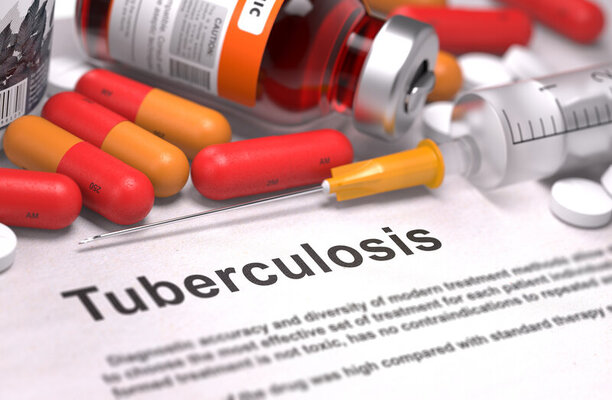
Tuberculosis(TB) remains one of the world’s deadliest infectious diseases, yet it is both preventable and curable. The big question, however, is whether it can truly be eliminated especially in communities like Ikeja where population density and daily movement increase exposure risks.
According to the World Health Organization, Tuberculosis continues to affect millions globally each year, with countries like Nigeria among those with a high burden.
In areas like Ikeja known for its commercial activity, offices, and busy transport hubs the risk of airborne diseases like TB is often higher than many realise.
Health experts note that TB spreads through the air when an infected person coughs or sneezes, making crowded environments a major concern.
Despite this, awareness remains low.
Many residents often dismiss early symptoms such as:
- Persistent cough lasting more than two weeks
- Chest pain
- Unexplained weight loss
- Night sweats
These symptoms are frequently mistaken for minor illnesses, delaying diagnosis and increasing the risk of transmission.
How Feasible Is Ending TB?
Eliminating TB is possible but not without consistent and deliberate action.
Experts say the tools already exist:
- Effective testing methods
- Proven treatment plans
- Preventive strategies
However, challenges such as late diagnosis, stigma, and incomplete treatment continue to slow progress.
In many cases, patients stop taking their medication once they feel better, leading to drug-resistant TB, a more dangerous and difficult form of the disease to treat.

Barriers to Eradication
Several factors continue to hinder efforts to end TB in communities:
- Limited awareness and health education
- Overcrowded living conditions
- Poor ventilation in homes and public spaces
- Gaps in healthcare access
- Social stigma surrounding the disease
These issues make TB not just a medical concern, but a broader social and public health challenge.
Practical Steps to Curb TB
Health professionals emphasise that curbing TB requires a collective effort:
Early Testing:
Residents are encouraged to seek medical attention once symptoms persist beyond two weeks.
Complete Treatment:
TB treatment can last up to six months or more, and must be completed fully to prevent complications.
Improved Living Conditions:
Simple habits like proper ventilation and reducing overcrowding can significantly limit the spread.
Public Awareness:
More education is needed to help residents recognise symptoms early and reduce stigma.
Government Support:
Access to free or affordable testing and treatment remains critical in controlling the disease.
The Bottom Line
Tuberculosis is not unstoppable but it thrives when ignored.
For a community like Ikeja, where daily life brings people into close contact, awareness and timely action could make the difference between containment and continued spread.
Have you or someone you know experienced persistent cough or related symptoms? Don’t ignore it.
💬 Share your thoughts and experiences in the comments.
👍 Like this article to help spread awareness.
📢 And tell us what other health topics should we break down next?