
By Suad Ayinla.
Edited by Bababunmi Agbebi
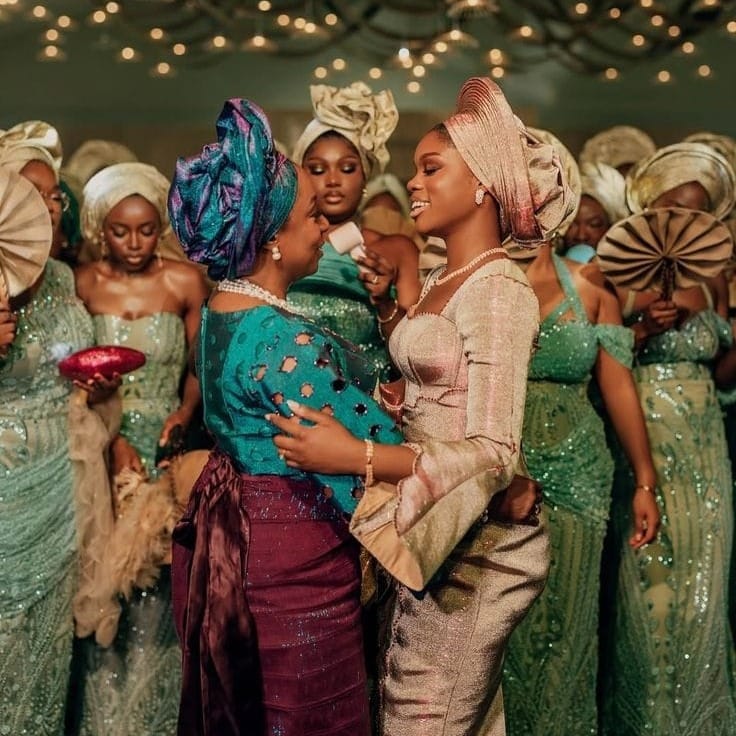
How much does it really cost to plan an Owambe in Lagos when every item from venue to aso‑ebi now feels like a small business investment? In 2026, a modest Owambe on the mainland can start around ₦2 million, while fuller Lagos‑scale celebrations with 300 guests or more often climb well above ₦10 million, especially when families insist on “full package” events with live bands, heavy decor and premium catering. For middle‑class families and youths trying to host their own events, the question is no longer just “Which Hall?” but “Which corners can we cut without people saying we did not do it well?”
Venues in and around Ikeja, Surulere and other mainland hubs can run from ₦500,000 to ₦1.5 million for a 300‑guest wedding‑style Owambe, while catering alone can eat ₦1.2 million or more, depending on whether you serve jollof, fried rice, multiple soups, swallows, meat and fish options. Decor, photography, MC/DJ, and security add another ₦1–2 million, and that is before you factor in aso‑ebi fabric, which many guests now expect to be subsidised or at least heavily discounted by the host. Even small touches invitations, souvenirs, extra lighting, generators quickly turn into six‑figure sums.
For the average guest, attending an Owambe has also become a major financial event. In cities like Lagos, a realistic budget for one wedding aso‑ebi, tailoring, beauty services, transport and a gift can sit between ₦70,000 and ₦150,000, especially if you want to look “presentable” and move comfortably. Hosts know this, yet still feel pressure to price aso‑ebi high to offset their own costs, creating a cycle where everyone is both hosting and being hosted into financial stress. Youths who attend multiple events in a season often end up borrowing, skipping other bills, or quietly saying “no” to invitations they cannot afford.
So, when a family in Ikeja sits down with event planners and spreadsheets, what are they really buying: a celebration, or proof that they can still afford to be seen? If Owambe remains a status contest as much as a cultural ritual, how long before the next generation starts rewriting the rules or simply opting out?




Nigerians can’t even afford to cut their asoebi according to their cloth. Nawa o
Nigerians can’t even afford to cut their asoebi according to their cloth. Nawa o