By Suad Ayinla
Edited by Bababunmi Agbebi
What happens when one of Africa’s biggest music stars becomes the centre of a debate over safety, solidarity and the true cost of cultural exchange?
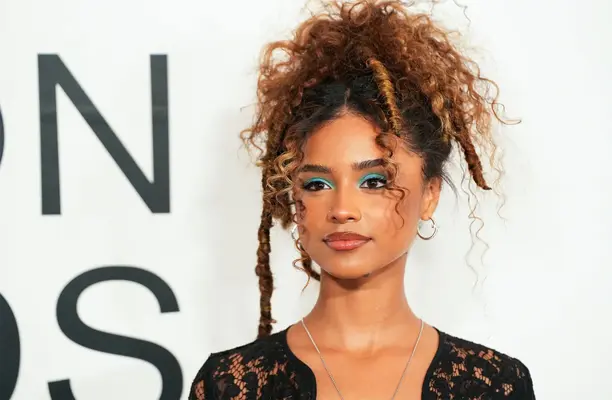
South African Grammy-winning singer Tyla’s announcement of her A*POP World Tour, which included a scheduled stop in Lagos, was initially welcomed as another milestone for African music. The concert promised to further strengthen the growing cultural ties between South Africa’s amapiano movement and Nigeria’s globally dominant Afrobeats scene, reinforcing the idea of a united African music industry.
That excitement, however, quickly gave way to controversy.
Renewed conversations around recurring xenophobic attacks on Nigerians living in South Africa sparked calls for a boycott of the Lagos concert. Many Nigerians argued that hosting a South African artist without meaningful acknowledgment of the violence experienced by fellow Africans would send the wrong message, reigniting long-standing concerns about solidarity and mutual respect across the continent.
The debate soon became sharply divided.
On one side, supporters of the boycott including singer Jaywon and social media activist VeryDarkMan (VDM) argued that Tyla’s perceived silence on previous xenophobic attacks made her appearance in Lagos inappropriate. VDM publicly vowed to frustrate the concert and called on organisers to suspend the event, insisting that cultural exchanges should not continue while Nigerians continue to face hostility in South Africa.
On the other hand, several industry stakeholders urged restraint. Legal practitioners at DACO LP Africa and other commentators argued that artists should not be held responsible for the actions or failures of governments. According to this perspective, music has historically served as a bridge between people, even during periods of political tension, and targeting entertainers risks weakening one of Africa’s strongest instruments of unity.
The controversy has also reopened conversations about reciprocity within Africa’s entertainment ecosystem. While Nigerian artists frequently perform in South Africa and contribute significantly to its entertainment landscape, critics argue that Nigerian acts have not always received equal treatment. Reports of Nigerian performers including Ayra Starr facing hostile reception or cancelled engagements have further fuelled perceptions of an uneven cultural relationship.
Beyond the social media exchanges, the episode highlights broader questions about the future of pan-African collaboration. It raises concerns over whether the continent’s creative economy can thrive when diplomatic tensions repeatedly spill into entertainment, and whether audiences are increasingly expecting artists to publicly engage with political and humanitarian issues.
For promoters and event organisers, the controversy also presents commercial challenges. Ticket sales, sponsorships and brand partnerships can quickly become vulnerable when public sentiment shifts, forcing organisers to balance business interests with evolving public expectations.
Recent reports indicate that Tyla’s Lagos performance has since been removed from her tour schedule, although neither the singer nor her management has publicly linked the decision to the backlash. She has also not issued any public statement addressing xenophobic attacks or the controversy surrounding the cancelled Lagos date.
Whether the cancellation was driven by logistics, security concerns or public pressure remains unclear.
However, the silence itself has become part of the story.
In today’s interconnected entertainment landscape, audiences increasingly expect global stars to recognise issues that directly affect the communities supporting their careers. While artists cannot reasonably be expected to resolve diplomatic disputes, public figures often face heightened expectations to demonstrate empathy during moments of crisis.
For Tyla, the episode may not define her career, but it illustrates how celebrity influence now extends beyond music. For Africa’s creative industry, it serves as another reminder that the vision of a borderless cultural market cannot thrive on commercial exchange alone. Sustainable pan-African collaboration ultimately depends on mutual respect, public trust and a shared commitment to ensuring that artists and audiences alike feel welcomed across the continent.