By Suad Ayinla
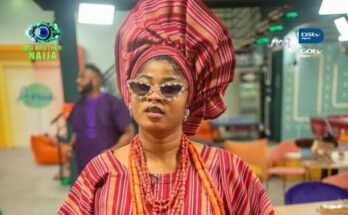
Big Brother Naija 2026 launched on Sunday, July 26 with a carefully curated crop of housemates whose profiles immediately lit up conversations online. The roster mixes emerging creatives, tech hustlers, healthcare workers, small-business owners and a few known influencers a deliberate attempt by producers to mirror urban Nigeria, especially Lagos. Early introductions highlighted family backgrounds, survival stories and ambitions, giving viewers immediate reasons to pick favorites and form narratives around who represents resilience, talent or controversy. Within hours, fan bases began to form around contestants seen as “relatable,” especially those who shared stories of long commutes, multiple side hustles and the pressures of supporting family from Lagos.
Big Brother as a format feels slightly refocused this season. Production retained the familiar high-gloss set and constant surveillance, but the opening night hinted at subtler programming choices: prompts for housemates to share personal missions, team-based tasks that suggest long-form challenges, and clearer emphasis on skills beyond entertainment. The diary room sessions, even on day one, leaned heavily on questions about purpose, values and emotional resilience, signaling a show that wants viewers to see more than just romance or rivalry. These tweaks point to a season that wants both spectacle and substance, still reality TV at heart, but nudging conversations toward entrepreneurship, mental health and civic awareness.
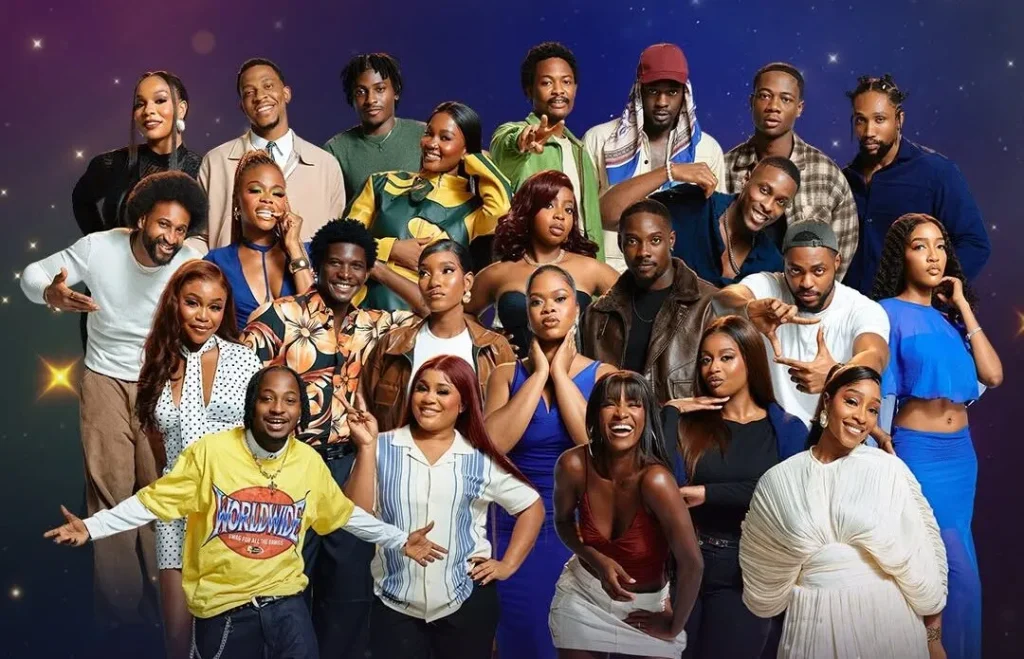
The three-month schedule creates a tight runway for narrative development and audience engagement. With weekly tasks, nominations and themed nights, housemates must quickly build bonds and rivalries that will be tested across roughly 12 eviction cycles. That compressed timeline favors those who can craft memorable moments early, but it also gives producers room to pivot: introducing twists, integrating viewer-driven votes and rolling out sponsor-led initiatives that could translate into off-screen opportunities for contestants. Over 90 days, viewers will watch not just who survives nomination, but who manages personal growth under pressure from learning new skills in task rooms to adapting to shifting alliances and public opinion.
The rules for this season, reiterated on opening night, stressed respect, consent and accountability, a sign that production is keen to avoid the most damaging controversies while still allowing genuine conflict and debate. For many young viewers, Big Brother operates like a symbolic institution: enforcing order, rewarding creativity and silently shaping which behaviours are amplified or sanctioned on national television.
Already, social media debates and streaming figures show how quickly loyalties form and storylines begin. For Lagos-based viewers and journalists, the season offers immediate beats
who becomes the breakout voice for youth concerns, how Big Brother frames sensitive discussions, and whether the three-month arc produces real-world follow-through on advertised campaigns. As brands, NGOs and influencers cluster around the show’s daily moments, the question grows louder: will this fresh set of housemates turn initial curiosity into sustained conversation over the next three months, or will the usual cycles of spectacle drown out the new promises?