By Suad Ayinla
Edited by Bababunmi Agbebi
How long can a young person keep searching for work before frustration turns into despair?
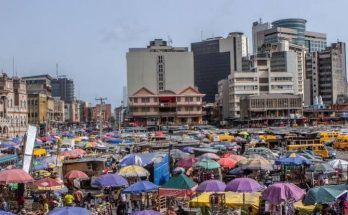
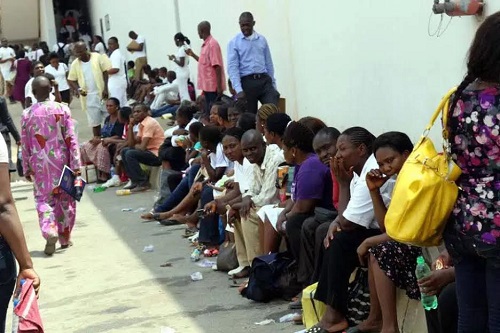
In Ikeja, Lagos’ bustling administrative and commercial hub, that question hangs over many conversations among job-seeking youths who move from office to office, CV in hand, hoping for a breakthrough. For many of them, the employment search has become a daily routine marked by long queues, repeated rejections, rising transport costs, and the growing pressure to accept any available job, no matter how poorly paid.
Across the area, the story is the same: graduates, diploma holders, and skilled young people say the gap between what they studied and what the labor market demands has widened. Some say they have spent months attending interviews without success, while others have turned to internships, short-term contracts, and informal work just to survive. In a city like Lagos, where opportunities are often tied to networking and proximity to major employers, Ikeja has become both a destination and a reminder of how hard the job market can be.
The frustration is not only about unemployment itself, but also about the cost of staying in the hunt. Transport fares to and from interview venues, printing of documents, and the need to maintain a presentable image for prospective employers all add up quickly. For many young people, every failed application means more than disappointment; it also means more money spent and more time lost.
Still, Ikeja remains a symbol of possibility. As one of the state’s busiest business corridors, it continues to attract job seekers because it houses government offices, corporate firms, banks, media organizations, and small businesses that could, at least in theory, open doors for young workers. Yet for many of the youths who gather there each week, the district has come to represent the tension between Lagos’ promise and its reality.
Experts have long warned that youth unemployment can deepen poverty, fuel social pressure, and push young people into hopelessness if not addressed with serious policy intervention. They argue that the solution must go beyond encouraging young Nigerians to “be job creators” and instead focus on expanding practical training, supporting small businesses, improving the business environment, and connecting education more closely to market needs.
For now, though, many young job seekers in Ikeja continue to wake up early, dress for interviews that may not come, and wait for a call that could change everything. And until that call comes, how many more youths will keep circling Ikeja with their hopes folded inside a CV?