By Chiagoziem Abosi
Edited by Bababunmi Agbebi
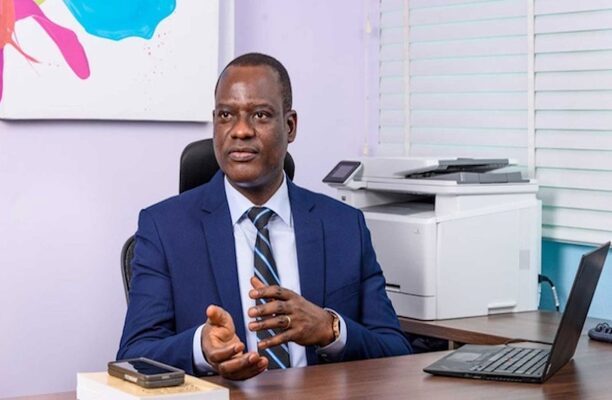
The Federal Government has dismissed reports suggesting that Taiwo Oyedele admitted to errors in Nigeria’s proposed tax laws, clarifying that his comments were widely misinterpreted.
In a statement, the government explained that while concerns had been raised by stakeholders over certain provisions in the draft law, Oyedele did not concede that the reforms contained fundamental errors.
The controversy follows growing scrutiny of the proposed tax reforms, particularly after a report by KPMG Nigeria highlighted what it described as gaps, inconsistencies, and omissions in the law.
The report raised concerns about:
- Ambiguous provisions
- Possible overlaps in tax responsibilities
- Clauses that could create confusion for businesses
In addition, a federal lawmaker had earlier questioned discrepancies between the version of the tax bill passed by the National Assembly and the version made available to the public, further fueling speculation.
Clarifying his position, Oyedele noted that many of the issues identified were not outright errors but rather:
- Misinterpretations of policy intent
- Differences in opinion on government decisions
- Minor drafting issues such as clerical or cross-referencing gaps
He maintained that the reforms were still subject to stakeholder engagement and refinement.
Why This Matters for Residents in Ikeja
For many residents and business owners in Ikeja, the debate goes beyond technical language.
With the area serving as a commercial hub, any change in tax policy could directly affect:
- Small business operations
- Cost of running enterprises
- Disposable income for workers
“I just hope whatever they’re doing will not make things harder for us,” a trader in Computer Village said.
The Bigger Picture
The proposed reforms are designed to simplify Nigeria’s tax structure and improve revenue generation. However, the debate highlights a deeper issue, the gap between policy communication and public understanding.
Recommended posts:
 Nigeria’s New Tax Law 2026 – What Every Nigerian Should Know
 Tax Reforms Coming in 2026: What Ikeja Workers and Small Biz Owners Should Know
 “You can’t break me”: Iyabo Ojo stands strong as Lagos government demands N18m tax payment in 7 days, netizens defend her
 Nigeria’s Education Policies: The Good, the Bad, and the Real Impact