
By Bababunmi Agbebi
In April 2026, the Nigerian government introduced a policy that has stirred legal, political, and emotional conversations across the country and its diaspora: the decision to withdraw and deactivate Nigerian passports held by individuals who have formally renounced their citizenship. At first glance, the move appears administrative, almost procedural. But beneath it lies a deeper story about identity, sovereignty, and the evolving meaning of belonging in a globalised world.
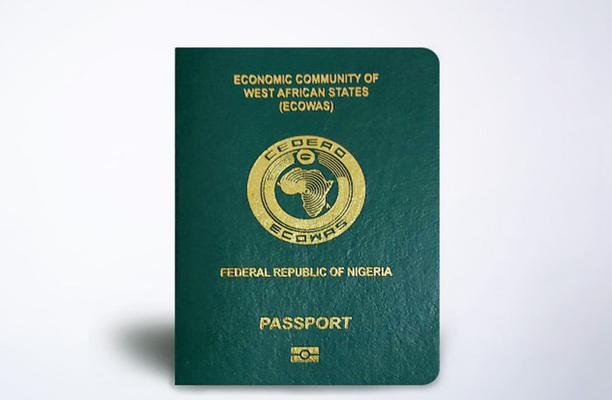
The directive, issued by Nigeria’s Minister of Interior, Olubunmi Tunji-Ojo, instructs the Nigeria Immigration Service (NIS) to immediately retrieve and deactivate passports belonging to individuals whose renunciation of citizenship has been officially approved by the President.
This is not a blanket measure affecting all Nigerians abroad. It specifically targets those who have taken the formal legal step of renouncing their Nigerian nationality, a process recognized under Section 29 of the 1999 Constitution. Once that declaration is registered, the individual ceases to be a Nigerian citizen in the full legal sense.
The government’s position is clear: citizenship is the foundation upon which the right to hold a Nigerian passport rest. Once citizenship is relinquished, the passport being a sovereign document must also be surrendered.
While the legal basis for this policy has always existed, its enforcement marks a shift toward stricter identity governance. According to official statements, the move is designed to:
- Preserve the integrity of Nigeria’s citizenship system
- Prevent identity fraud and misuse of travel documents
- Align documentation practices with constitutional realities
In essence, the government is closing what it perceives as a loophole: individuals who, despite no longer being Nigerian citizens, continue to travel on Nigerian passports.
This policy also fits into a broader reform agenda within the Ministry of Interior, one that increasingly emphasizes digital tracking, biometric verification, and tighter border controls.
To understand the significance of this policy, one must look beyond bureaucracy. A passport is more than a travel document; it is a symbol of national identity and protection. It signals a relationship between an individual and the state, one that comes with rights, privileges, and obligations.
Renouncing citizenship, therefore, is not merely symbolic. It is a decisive legal act that severs this relationship. Globally, the act of renunciation means forfeiting access to state-backed benefits, protections, and identity instruments.
However, the policy raises important questions, especially for Nigeria’s vast diaspora.
Nigeria is one of the few countries that permits dual citizenship for citizens by birth. This has allowed millions of Nigerians abroad to maintain ties to their homeland while integrating into new societies. But for those who choose full renunciation, often to meet strict naturalisation requirements in other countries, the stakes are now clearer.
The withdrawal of passports may not only affect travel convenience but could also have emotional and cultural implications. For many, a Nigerian passport represents more than legality, it represents heritage, memory, and identity.
Ultimately, this policy signals a Nigerian state that is becoming more assertive about the meaning and value of its citizenship. It reflects a broader global trend where nations are tightening identity systems in response to migration, security concerns, and technological change.
For Nigeria, the message is unmistakable: citizenship is not just a status, it is a commitment. And like all commitments, it comes with consequences when it is withdrawn.
Recommended posts:
 The Dilemma of applying for Nigerian International Passport
 Tinubu Must be Disqualified, Why? 5 Issues That Can Disqualify Tinubu
 Nigerians rejoice as Minister of Interior orders swift clearance of 200,000 pending passport applications
 Can I file for divorce on grounds of emotional abuse? – Legal experts answer