By Bababunmi Agbebi
Edited by Sunkanmi Adewunmi
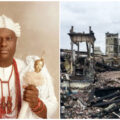
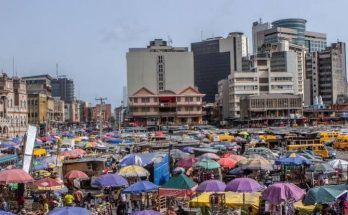
Lagos, Nigeria’s bustling megacity and economic heartbeat, has in recent years experienced a troubling rise in fire outbreaks affecting commercial and residential buildings. Incidents ranging from market infernos to high-rise building fires have underscored persistent safety challenges in a rapidly urbanizing environment. The most recent high-profile blaze occurred on Lagos Island in late December 2025, when a major fire broke out at the Great Nigeria House (also known as the Great Nigeria Insurance Building) and neighboring structures, destroying properties and historical sites.
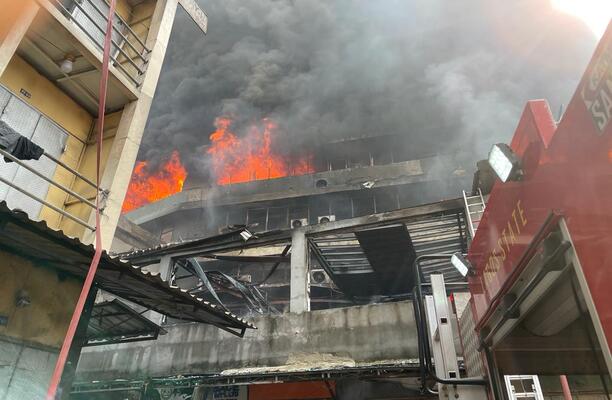
On December 24, 2025, a severe fire erupted at Great Nigeria House on Martins Street, Lagos Island. Preliminary reports indicate that the fire originated in an apartment on the fourth floor and quickly spread to the sixth floor and adjacent buildings, including a mosque and trading plazas.
The blaze rapidly consumed sections of one of the island’s most active commercial hubs, displacing residents, disrupting businesses, and prompting emergency demolition of parts of the structure by responders to control the fire. The historic Animashaun Mosque, one of Lagos’ oldest places of worship, was so badly affected that authorities ordered suspension of all activities there pending safety assessments.
Lagos has witnessed several significant fire outbreaks over the past few years:
- Mandilas Building Fire (2025): A warehouse blaze along Broad Street, Lagos Island, burned through multiple sections of the Mandilas Plaza. Blocked access due to illegal stalls and extensions hampered emergency response, leading the Lagos State Government to order removal of obstacles to improve firefighter mobility.
- Afriland Tower Fire (September 2025): A fire in the basement inverter room spread smoke through several floors of the six-storey commercial building, necessitating evacuation.
- Other Outbreaks: Fires have also affected markets, commercial buildings and residential areas tied to electrical faults, generator misuse, and fuel storage issues, such as the Okota medical centre fire in March 2025.
The Lagos State Government has taken various steps to curb the fire menace and strengthen prevention and emergency response including,
1. Public-Private Safety Initiatives
In mid-2025, the Lagos State Fire and Rescue Service teamed up with Junior Chamber International (JCI) Ikeja to organise a Safety & Security Summit focused on fire risk awareness, prevention strategies, and community preparedness. The partnership aimed to educate citizens on basic fire safety, proper risk communication, and essential response protocols.
2. Enforcement of Safety Regulations
Following major fires, state agencies such as the Lagos State Building Control Agency (LASBCA) and Lagos Emergency Management Agency (LASEMA) have intensified enforcement of building codes. These measures include ordering removal of illegal extensions that block emergency access routes and shutting down non-compliant structures.
3. Infrastructure and Equipment Upgrades
Governor Babajide Sanwo-Olu has emphasised investment in emergency response capacity, including the establishment of new fire stations, acquisition of modern fire trucks and equipment, and deployment of smart technologies such as drones for fire detection in high-rise buildings.
Government action, while critical, must be complemented by proactive community and individual measures:
🔹 Observe Electrical Safety
Faulty wiring, overloaded circuits, and improper electrical installations are major fire triggers. Residents should regularly inspect home and business electrical systems and engage qualified electricians for maintenance.
🔹 Safe Generator Use
Generators remain common in Lagos due to intermittent power supply. However, improper refueling, indoor use, and poor ventilation contribute to fire risk. Always use generators outdoors in well-ventilated spaces and refuel only when the unit is switched off and cool.
🔹 Proper Storage of Flammable Materials
Avoid storing fuel, chemicals, or other flammable materials within confined buildings. Abide by safety guidelines for storage and introduce awareness among vendors and occupants in markets and residential complexes.
🔹 Report Hazards Promptly
Residents should report unsafe condition, exposed wiring, blocked fire exits, or illegal structures to agencies via official hotlines (e.g., 767 / 112 emergency line).
🔹 Equip Homes and Businesses
Install fire extinguishers, smoke alarms, and maintain clear escape routes. In multi-story buildings, regular drills and checklists help ensure preparedness.
Fires in Lagos, from bustling commercial hubs on Lagos Island to residential clusters across the city, remain a complex challenge influenced by dense urbanisation, infrastructure gaps, and human factors. While the state government’s strategic efforts and partnerships are making inroads in suppression and prevention, sustained progress requires a deeper community safety culture and consistent enforcement of codes. With joint action by authorities, residents, and private stakeholders, Lagos can reduce the frequency and impact of fire disasters, protecting lives and livelihoods across the megacity