By Bababunmi Agbebi
The recent wave of kidnappings targeting schools in Nigeria has once again raised serious concerns about the safety of children, teachers, and educational institutions. The disturbing incidents in Oyo State, where pupils, students, and teachers were abducted from their schools, have left families, educators, and communities living in fear.
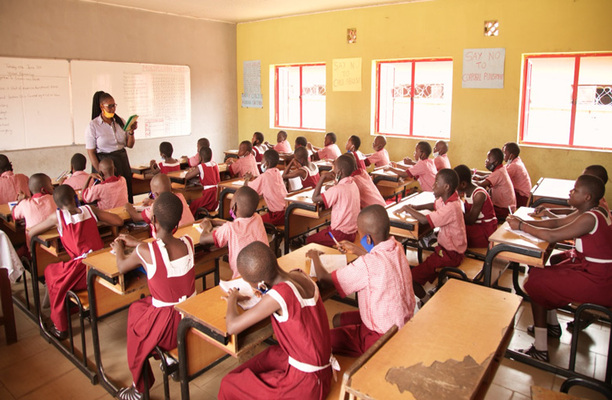
Schools are meant to be places of learning, growth, and protection. However, increasing insecurity across parts of the country has made it necessary for parents, school administrators, and government authorities to adopt proactive measures that can help prevent attacks and improve emergency response when threats arise.
Security experts often emphasize that prevention begins with awareness. Parents and teachers must remain alert to unusual activities within and around school environments. Suspicious movements, unfamiliar vehicles parked near schools, strange individuals loitering around school premises, or unusual inquiries about school routines should never be ignored.
Many kidnapping incidents are carefully planned, with criminals gathering information about their targets beforehand. This makes vigilance one of the most important tools in preventing attacks.
What Parents Can Do
Parents play a critical role in ensuring the safety of their children both at home and in school.
First, parents should maintain regular communication with their children and teach them basic safety habits. Children should know never to follow strangers, accept gifts from unknown individuals, or disclose personal information about themselves or their families.
Parents should also become actively involved in school security discussions. Attending Parent-Teacher Association meetings, asking questions about security measures, and supporting safety initiatives can help strengthen school preparedness.
In addition, parents should establish emergency communication plans with their children. Every child should know important phone numbers and understand what to do if separated from their family during an emergency.
Monitoring transportation arrangements is equally important. Children should use trusted school transport systems or travel with responsible adults whenever possible.
What Schools Must Do
School authorities must move beyond traditional security approaches and adopt comprehensive safety strategies.
Schools should conduct regular security assessments to identify vulnerabilities around classrooms, entrances, fences, and access points. Perimeter fencing should be strengthened, and visitor access should be strictly controlled.
The installation of surveillance cameras, alarm systems, and adequate lighting can significantly improve monitoring and deter criminal activity.
Schools should also establish clear emergency response plans. Teachers and students must be trained on what to do during security threats, including lockdown procedures, evacuation drills, and safe assembly points.
Security personnel employed by schools should receive proper training and maintain close collaboration with local law enforcement agencies. Regular communication between school administrators and security agencies can help detect threats before they escalate.
The Role of Teachers
Teachers are often the first responders during school emergencies. They should be trained to identify suspicious behaviour, manage crisis situations, and protect students during security incidents.
Schools should organize periodic safety workshops that equip teachers with emergency response skills, including first aid, crowd management, and communication during crises.
Teachers should also keep accurate attendance records and maintain updated emergency contact information for every student.
Community Participation Matters
School security cannot be left solely to parents or teachers. Communities have an important role to play in safeguarding educational institutions.
Community leaders, local vigilante groups, religious organizations, and youth associations should collaborate with security agencies to monitor suspicious activities around schools. Residents are often the first to notice unusual movements and can provide valuable intelligence that helps prevent attacks.
Creating community-based security networks can strengthen surveillance and ensure rapid reporting of threats.
While parents and schools can take precautionary measures, lasting solutions require stronger government intervention.
Authorities must invest in school security infrastructure, deploy security personnel to vulnerable areas, improve intelligence gathering, and strengthen rapid-response mechanisms. Existing safe-school initiatives should be expanded to cover more communities, particularly those located in rural and high-risk areas.
The government must also ensure that perpetrators of school attacks are swiftly arrested and prosecuted. Accountability remains a critical deterrent against future attacks.
The heartbreaking incidents in Oyo State serve as a reminder that the safety of children and teachers must remain a national priority. Every child deserves to learn in an environment free from fear, while every teacher deserves to work without worrying about their safety.
Protecting schools requires a collective effort involving parents, educators, communities, security agencies, and government authorities. Through vigilance, preparedness, and coordinated action, Nigeria can create safer learning environments and protect the future of its children.